
A blocked DPF restricts the flow of exhaust gases, causing back pressure to build up in the engine. It leads to a range of issues, from lost power and higher fuel use to engine damage if it is ignored. Knowing the signs means you can act before the vehicle goes into limp mode. Here are the nine most common symptoms of a blocked DPF, and what to do if you spot them.
9 signs your DPF is blocked
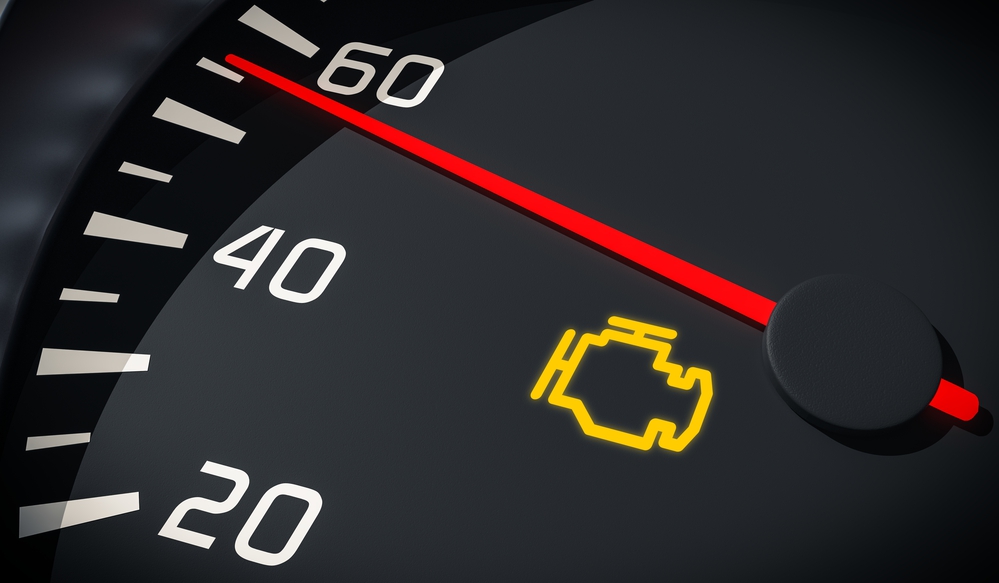
1. A DPF or engine warning light
The most common way to know your DPF is blocked is a warning light on your dashboard, usually amber, turning red as the blockage gets worse. Modern diesels have onboard diagnostics that monitor the DPF, and the light may come with a message saying the DPF needs cleaning or regeneration. A specific DPF light or a check engine light can both signal a blocked DPF. See what the DPF warning light means.
2. Loss of engine power
A blocked DPF can cause a significant loss of power. You may notice the vehicle takes a while to accelerate, struggles to hold speed or even stalls. In our analysis of 16,557 vehicles we attended, two-thirds of owners reported power loss.
3. Limp mode
In severe cases the engine management system puts the vehicle into limp mode (“limp-home” mode), with sharply reduced power and a capped speed, usually around 40mph. It usually stays that way until the fault is cleared.
4. Higher fuel consumption
As the filter becomes congested with soot, it obstructs the exhaust flow and forces the engine to work harder. If you are filling up more often than usual, it could be a sign your DPF needs cleaning. See how a blocked DPF affects fuel economy.
5. Frequent or failed regenerations
If regeneration cycles become more frequent, or fail to complete at all, the DPF may be too restricted to clear itself. Signs of a regeneration in progress include a higher idle speed, the cooling fan running after you switch off, and stop-start being temporarily unavailable. Repeated regeneration attempts are not enough to clear a heavily blocked filter, and professional cleaning may be needed. See DPF regeneration explained.
6. More exhaust smoke
Increased exhaust smoke, particularly if it looks thicker or darker than usual, is another telltale sign. If you notice a change in the colour or density of the smoke, have the DPF checked.
7. Strange smells
A blocked DPF can produce unusual odours, noticeable inside and outside the vehicle. These are often described as a burning or sulphur-like (rotten egg) smell, or a strong smell of diesel, and can indicate that the DPF is overheating or struggling to filter exhaust gases. A hot, acrid smell during or just after a regeneration can happen now and then, but if you notice a DPF regeneration smell on most journeys, or the regeneration never seems to finish, the filter is likely clogged and struggling.
8. Unusual noises
Sometimes you may hear a rattling or banging noise when you accelerate, which can be due to a damaged filter. Have the vehicle checked straight away if you notice this.
9. No warning at all
Not every blocked DPF shows a light. In our analysis, 30.4% of blocked DPFs gave the driver no DPF-specific warning, and 13.9% of commercial vehicles arrived with no warning light showing at all. Operators book on performance, fuel figures and scheduled checks rather than waiting for the dashboard.
How to tell for sure
Not all warning lights are related to the DPF, so check your owner’s handbook for what each light means. The only way to know for sure is a diagnostic check: live data shows the soot loading and the pressure across the filter. We check the reason with full diagnostics before any cleaning, and roughly seven in ten of our customers come straight to us without a garage diagnosis first.
Which vehicles block most?
From our analysis of 36,135 DPF cases, commercial vehicles block about three years earlier than private cars (median age 8.4 years against 11.3), at almost the same mileage, because a van covers the miles faster. Some makes turn up far more often than their numbers on the road would predict. See which makes and models block most.
What to do if you spot the signs
A blocked DPF does not automatically need replacing. While many garages may try to sell you a costly new DPF unit, our technicians take a different approach: we use specialised equipment to break down the soot and ash obstructing your filter and restore exhaust flow. It’s a straightforward solution that avoids a pricey replacement. See how a DPF is cleaned.
Ignoring the symptoms can damage the engine and other components, leading to expensive repairs. See can a blocked DPF damage your engine?
DPF light on? Don’t wait for limp mode. Our mobile engineer comes to your home or workplace, usually next day and sometimes same-day. Every clean includes diagnostics before and after (you keep the reports) and a 30-day warranty. Book a mobile DPF clean, call us on 0333 366 1404, or send us your registration and symptoms and we will advise the right next step.
Blocked DPF FAQs
Usually a DPF or engine warning light, loss of power or more frequent regenerations. Around three in ten blocked DPFs show no DPF-specific light, so power loss and rising fuel use matter too.
Often a burning or sulphur-like (rotten egg) smell, or a strong smell of diesel, which can mean the DPF is overheating or struggling to filter the exhaust.
Yes, where the filter is structurally sound. Cleaning restores flow at a fraction of the cost of a new DPF. We only recommend replacement when the condition of the unit makes cleaning unsuitable.
Not for long. Sooner or later the vehicle will go into limp mode or stop, which makes the fix harder and more expensive.