
Preventive Fleet DPF Cleaning
Fix DPF problems before they take a vehicle off the road. Fast turnaround DPF and CAT cleaning, done right the first time

Preventive DPF cleaning keeps your vehicles out at work, not stuck in the workshop. It allows you to control downtime, not spend your time dealing with disaster recovery. We can arrange work around your schedule, and also provide next-day and even same-day slots when needed for our fleet accounts. Most DPF cleans are completed in 2 hours, wherever the vehicle is. We also clean CATs.

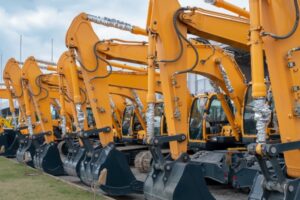



We provide cleaning for some of the biggest names in fleet management, including cars, LCVs, HGVs, and buses. Agricultural, NRMMs and plant equipment too.
Preventive cleaning for predictable cost
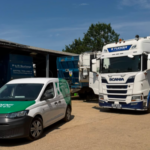
Unpredicted DPF failures make fleet management difficult, at best. Sudden workshop calls take your vehicles off the road, with stressful delays for investigation, cleaning or replacement parts. They wreck productivity and work schedules, and leave the fleet manager struggling with conflicting demands.
Condition-based or predictive maintenance is the ideal, where real-time OBD data is available. Otherwise, educated guesswork is still a viable option. We share our experience to help managers create DPF cleaning schedules based on vehicle make and model, service pattern, and most recent OBD data. Where unpredicted failures still occur we give our contract accounts priority service.
Regular cleaning gives the biggest saving
Cost analysis usually shows that preventive cleaning pays for itself very quickly:
- Reduced or eliminated DPF failures in service
- Maintenance planned for minimum impact on production schedules
- DPFs cleaned before blockages become severe, and before triggering excessive regenerations
- Related engine parts less prone to problems
- Usual MPG economies related to clean DPF systems
- Fewer replacements needed
Recommended DPF service intervals
Optimum service intervals depend on the age and type of equipment, fuel quality, and service patterns. An ideal DPF cleaning interval for diesel cars and vans might start at just 20,000 miles. LCVs running short urban journeys require more frequent cleans. HGVs are commonly recommended for DPF cleaning every thousand hours of running. We offer use of our own data on 35000 real-world DPF failure cases to help you determine the best schedule for your fleet
See our article on DPF service intervals here
Full diagnostics reports and warrantied cleaning as standard

At every visit our engineer begins with a visual inspection and full diagnostics to determine that cleaning is a viable solution. If physical damage renders cleaning impossible, we immediately inform the owner and offer to source a replacement DPF unit.
The procedure then involves feeding pressurised chemical cleaners into the DPF, a waiting period for the chemicals to do their work, and initiation of a regeneration procedure. Additional steps may be taken if needed. Once complete, we conduct a further diagnostics inspection to verify that the DPF is now operating within desired limits.
Both sets of diagnostics and any recommendations from our engineer are emailed to the customer after conclusion.
Off-road and Stage V equipment
Typically challenging conditions for large equipment tends to make DPF regeneration unpredictable. This increases the importance of planned inspection and cleaning.
For construction and agricultural operators, we advise aligning DPF maintenance with seasonal downtime or planned service windows where possible, to help avoid disruption during peak operating periods. Off-road equipment can be particularly challenging because machines often work in harsh conditions.
Our mobile cleaning units can perform cleaning on site, or units can be removed and despatched to us for rapid factory cleaning
Compliance and duty cycles
For HGVs, regular cleaning supports Euro VI emissions compliance. For off-road machinery and other non-road mobile equipment, it supports Stage V emissions compliance. However DPF maintenance intervals should not be based on mileage alone. Engine hours, load profile, idling time, regeneration frequency and operating environment all affect how quickly soot and ash build up, so more frequent diagnostic examinations are recommended.
Enquiry form