Catalytic Converter Cleaning
Mobile or factory (off-car) cleaning

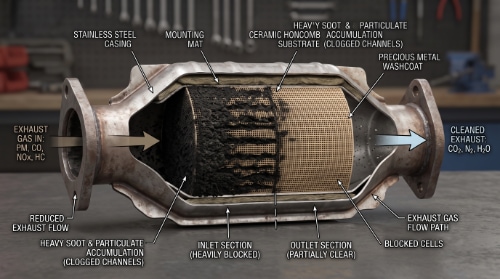
Catalytic converter cleaning is often all that’s needed when a converter blocks. Catalytic converters on petrol and diesel vehicles are prone to blockage by carbon byproducts in exhaust gases in the same way as DPFs. Symptoms include sluggish acceleration, loss of power, a Check Engine light (such as code P0420), a “rotten egg” smell, or rattling noises. These symptoms can point to engine failure and future MOT failure.
Symptoms of a blocked CAT
- Noticeable Power Loss: Your car struggles to accelerate, especially when trying to pass other vehicles at higher speeds.
- Foul Exhaust Odour: Unburnt fuel creates a distinct sulphur smell as it passes through a failing or dirty converter.
- Dashboard Warning: An illuminated Check Engine Light typically flags an inefficient or blocked converter.
- Excessive Heat: A blocked exhaust flow can cause abnormal, high temperatures radiating from under the vehicle’s floorboard.
- Rattling Noise: A rattle from underneath, especially on start-up or over bumps, suggests the honeycomb has broken up — this normally means replacement rather than cleaning.
Catalytic converter engine code
Catalytic converters need cleaning to remove carbon, soot, and fluid contaminants that clog the honeycomb structure of the exhaust. Cleaning restores exhaust flow, improves engine efficiency, and resolves the P0420 efficiency code, which helps vehicles pass emissions tests. If you want the background, our article explains how a catalytic converter works and why deposits stop it doing its job.
1. On-Car CAT cleaning
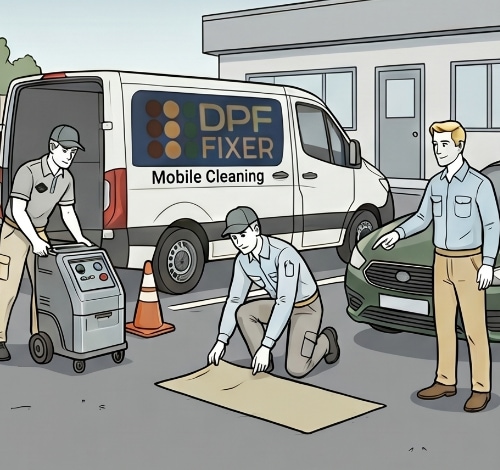
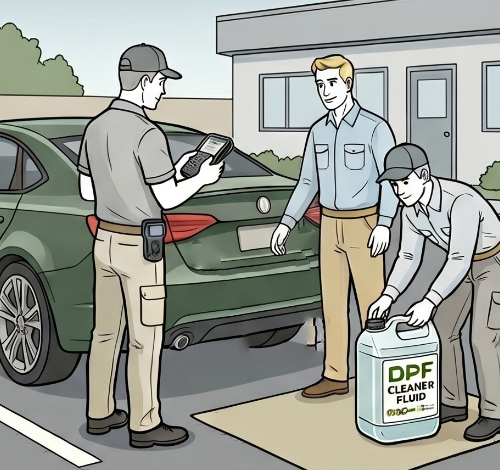
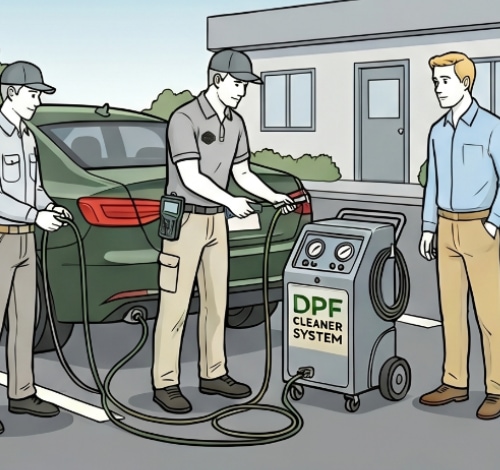
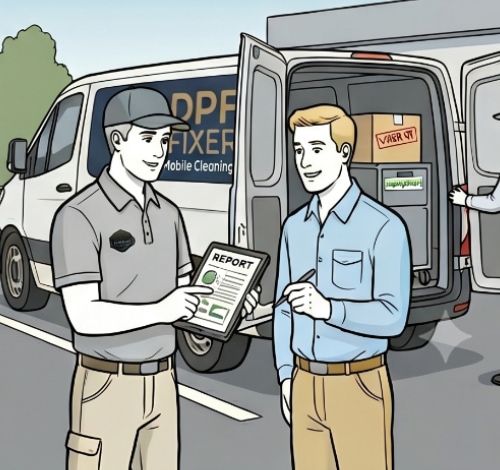
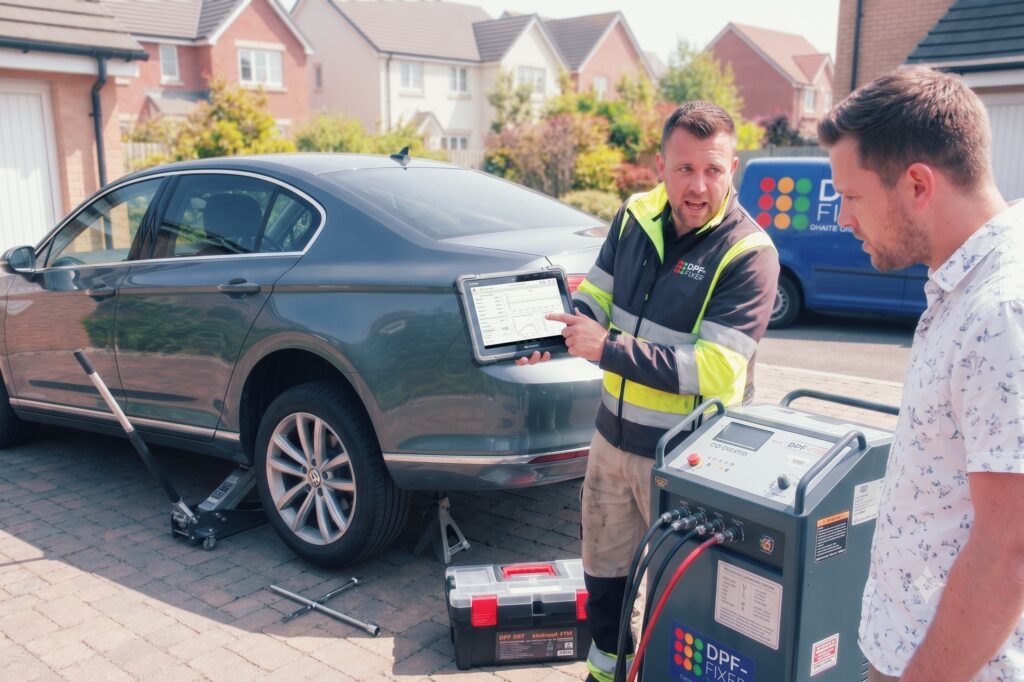
On-car CAT cleaning is now available for most vehicles, petrol and diesel. We use specialist chemical cleaning equipment to dislodge the blockages, while avoiding damage to the internal structure of the unit. Our cleaning service offers a huge saving compared to the purchase of a new unit, yet provides a comparable result.
2. Off-Car (Factory) CAT cleaning
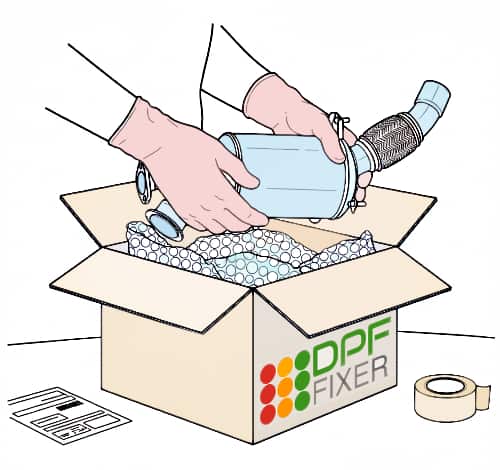
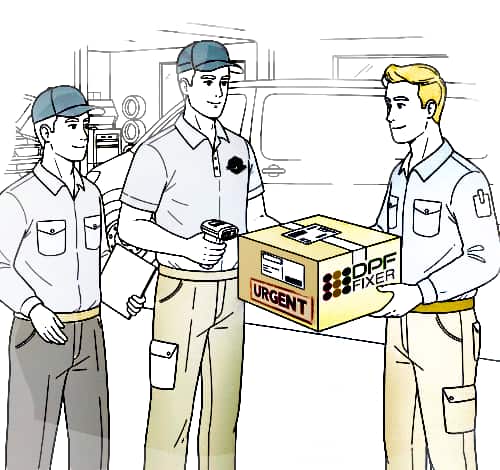
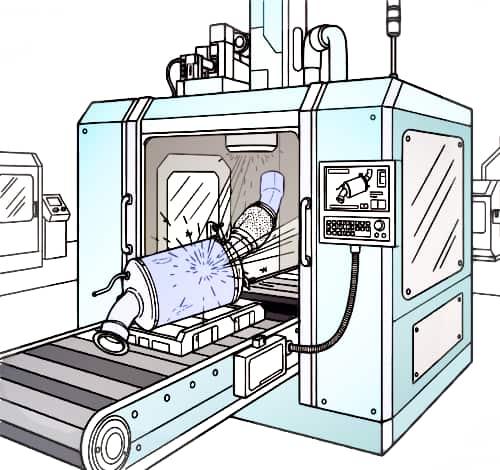
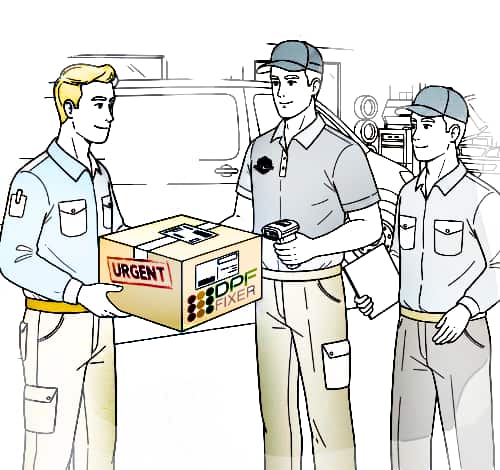
Off-car cleaning is done at our headquarters. Our no-hassle service includes courier pick-up and return of the unit, which is delivered ready for reinstallation on the vehicle.
 Trustpilot





Professional Diagnostics
If you suspect a blockage, we use the following methods to confirm the issue before recommending a clean or replacement:
- Backpressure Test: Measuring the exhaust pressure before the converter. A reading above 3 PSI usually indicates a severe clog.
- Infrared Temperature Check: Comparing the temperature at the inlet and outlet. A properly functioning converter will have a noticeably hotter outlet temperature; identical temperatures or a hotter inlet indicate an internal obstruction.
Why Deposits Form
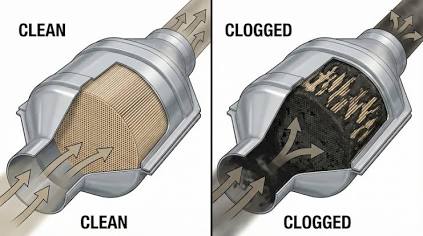
The catalytic converter’s primary job is to process harmful gases into less toxic emissions. Over time, it can become blocked due to:
- Incomplete Combustion: Short trips and stop-and-go driving prevent the converter from getting hot enough to naturally burn off soot and carbon.
- Contamination: Leaking engine coolant or motor oil can seep into the exhaust, coating and “poisoning” the internal honeycomb surfaces.
- Rich Fuel Mixtures: Unburned fuel due to faulty spark plugs or leaky valves can enter the exhaust, causing deposits and overheating.
What restriction does to the engine
When the honeycomb becomes restricted, exhaust gas cannot escape freely and back pressure rises. That is what turns a converter problem into an engine problem: the unit can glow red or radiate heat through the floorpan, fuel economy drops as the ECU compensates, and the vehicle may enter limp mode to protect itself. Left long enough, the extra heat can melt the substrate — at which point cleaning is no longer an option and the unit has to be replaced.
If your converter has been stolen rather than blocked, that is a different problem with a different answer — see our guide to catalytic converter theft in the UK.
Catalytic Converter Cleaning enquiry form
For assistance with booking or any other enquiries, please call us on 0333 366 1404.
Our lines are open 7.30am to 6.30pm Mon-Thu, and 7.30am to 5.30pm Fridays.