

Do Hybrid Cars Have a DPF or GPF? What Owners Need to Know
Hybrid vehicles have surged in popularity thanks to their improved fuel efficiency, lower emissions and less range anxiety than a pure EV. In 2024, hybrids (full and plug-in combined) accounted for about 21.9% of new car registrations in the UK, compared with 19.6% for pure EVs.
However, did you know that your hybrid still relies on an exhaust filtration system? Diesel hybrids use a Diesel Particulate Filter (DPF) and most modern petrol hybrids use a Gasoline Particulate Filter (GPF), also called a petrol particulate filter.
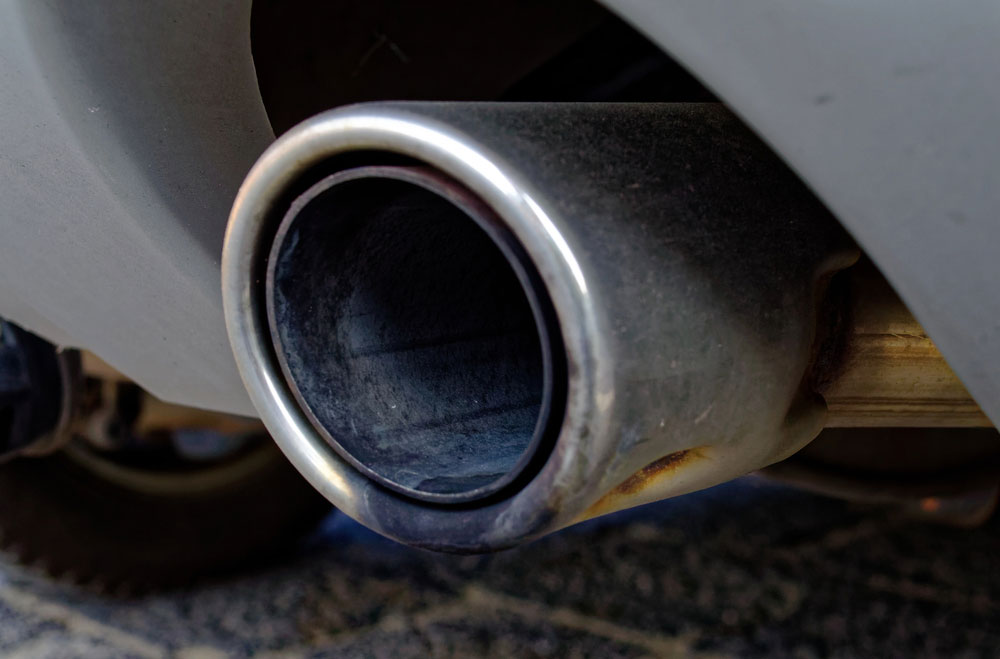
Do hybrid cars have a DPF or GPF?
Yes, in most cases. If a hybrid has a diesel engine, it will have a DPF. If it has a direct-injection petrol engine, which most recent petrol hybrids do, it is very likely to have a GPF. Only a pure electric vehicle, with no combustion engine at all, has no particulate filter. Your handbook, or a quick check with us using your registration, will confirm what your car has.
Why hybrid cars still need a DPF or GPF
Even though hybrid vehicles benefit from an electric motor’s support, the combustion engine still runs intermittently or under load. This means:
- Emissions are inevitable: any internal combustion process produces particulate matter.
- Regulatory compliance: emissions standards such as Euro 6 and the coming Euro 7 make these filters a necessity.
- Long-term engine health: keeping particulates in check helps protect the engine and maintain overall vehicle performance.
What is a Gasoline Particulate Filter (GPF)?
Unlike diesel engines, petrol engines were traditionally not fitted with particulate filters. This changed with the introduction of direct-injection petrol engines and newer hybrid engine models. GPFs have become increasingly common so that petrol engines comply with current emissions standards and contribute to cleaner air by trapping fine particulate matter. A GPF works in a similar way to a DPF: it traps soot and burns it off when the exhaust is hot enough.
Why hybrids can be harder on a particulate filter
A DPF or GPF clears trapped soot by burning it off (regeneration), and that needs the exhaust to get hot. In a hybrid, the engine often switches off and lets the electric motor take over, especially at low speeds and in town. The engine may start, run for a short time and stop again before the exhaust is fully up to temperature. Over time that can mean:
- regenerations that start but do not finish
- soot building up faster than it is burned away
- ash, which regeneration can never remove, filling the filter over the car’s life
So while hybrid technology does reduce overall emissions and fuel use, the combustion process still produces particulate matter, and the way a hybrid uses its engine can make it harder for the filter to keep itself clear. You can read more about how this works in DPF regeneration explained.
Signs your hybrid’s DPF or GPF needs attention
- a DPF, GPF or engine warning light on the dashboard
- loss of power, or the car going into limp mode
- the engine running more often or for longer than usual
- worse fuel economy than normal
- a burning smell or cooling fans running after the car has stopped
If you see any of these, do not ignore them. Read our guide to driving with the DPF light on and the signs that a DPF is blocked.
Keeping your hybrid’s filter healthy
Keeping your GPF or DPF clean is essential for performance, fuel economy and long-term vehicle health. Follow the service schedule in your handbook, use good-quality fuel, act on warning lights promptly and book professional cleaning before the filter becomes heavily blocked. Staying proactive with your hybrid’s maintenance means you can keep enjoying the benefits of the technology without an expensive repair bill.
We clean first where suitable and replace only where necessary. Every clean includes diagnostics before and after, and is covered by a 30-day warranty. See our petrol particulate filter (GPF) cleaning service for petrol hybrids, or mobile DPF cleaning for diesel hybrids.
DPF light on? Don’t wait for limp mode. Our mobile engineer comes to your home or workplace, usually next day and sometimes same-day. Every clean includes diagnostics before and after (you keep the reports) and a 30-day warranty. Book a mobile DPF clean, call us on 0333 366 1404, or send us your registration and symptoms and we will advise the right next step.
Diesel hybrids have a DPF. Petrol hybrids with direct-injection engines usually have a GPF (petrol particulate filter) instead. Pure electric cars have neither.
Yes. Because the engine in a hybrid often runs in short bursts, the exhaust may not stay hot enough for long enough for the filter to regenerate fully, so soot can build up.
Yes. A GPF can be professionally cleaned in a similar way to a DPF. We run diagnostics before and after so you can see the result.
Yes, if they have a combustion engine. A plug-in hybrid that mostly runs on battery may use its engine even less often, which can make it harder for the filter to clear itself.
